
The International Cricket Council (ICC) has banned Akhilesh Reddy from all cricket for eight years. An ICC Anti-Corruption Tribunal found the USA player guilty of three breaches of the ICC Anti-Corruption Code.
The case relates to the Abu Dhabi T10 2025 tournament in the United Arab Emirates. The ICC acted as the Designated Anti-Corruption Official on behalf of the Emirates Cricket Board.
Here is a closer look at why the tribunal imposed the suspension, the offences involved, and how it reached its decision.
Why was Akhilesh Reddy banned for eight years?
The ICC linked the case to the Abu Dhabi T10 2025 tournament in the United Arab Emirates.
According to the tribunal, the incident took place while Akhilesh Reddy represented the Aspin Stallions franchise. On 19 November 2025, he invited a teammate, identified as Player A, to his hotel room before a match.
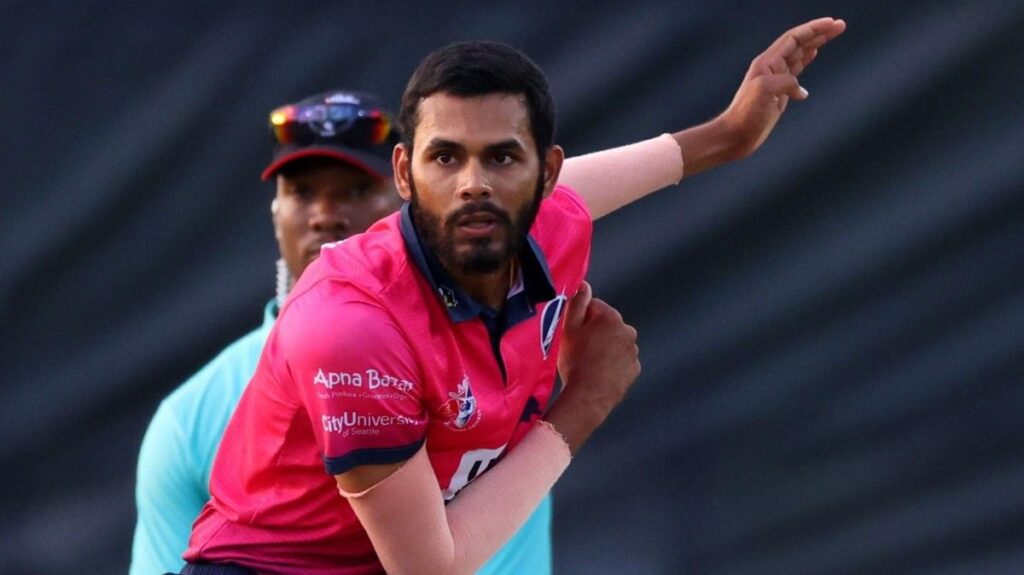
The tribunal said Reddy asked Player A to deliberately “give runs” while bowling. He reportedly claimed the instruction came from the team’s management.
Player A rejected the proposal immediately. He informed his agent and the ICC Anti-Corruption Unit within an hour.
The tribunal also noted Player A was later left out of the playing XI, despite being named in the original team sheet. The panel considered the sequence of events during its investigation.
The ICC confirmed the eight-year suspension started on 21 November 2025, when Reddy received a provisional suspension.
Akhilesh Reddy found guilty of three Anti-Corruption Code breaches
The tribunal examined the evidence, rejected Reddy’s explanations, and found multiple Anti-Corruption Code violations during the investigation.
The ruling also explained how the tribunal calculated the eight-year suspension and why it dismissed the defence presented during the hearing.
Read more about the ICC Anti-Corruption Code breaches that led to Reddy’s ban:
Sanction Breakdown & Code Breaches
The tribunal found Akhilesh Reddy guilty under Article 2.1.1 of the ICC Anti-Corruption Code. The charge relates to attempting to fix or improperly influence matches during the Abu Dhabi T10 2025.
It also found him guilty under Article 2.1.4. The tribunal said Reddy solicited, persuaded, encouraged, or intentionally facilitated another participant to commit the same offence.
The tribunal further ruled Reddy breached Article 2.4.7. It found he deleted data and messages from a mobile device that could have supported the investigation.
The tribunal imposed two seven-year bans for the first two offences. Those sanctions will run concurrently. It then added one consecutive year for obstructing the investigation. The additional penalty increased the total suspension to eight years.
Tribunal findings
Akhilesh Reddy argued he deleted WhatsApp messages and call logs during routine phone cleanup.
The tribunal rejected the explanation. It noted that his WhatsApp account had already used 24-hour disappearing messages. The panel concluded the manual deletion aimed to destroy evidence.
Reddy also claimed the hotel meeting focused on a possible USA training camp before the T20 World Cup. The tribunal dismissed the explanation. It said there was no reason to arrange a private meeting for routine administrative discussions.
The verdict came from a three-member tribunal comprising Michael J. Beloff KC (Chair), Justice Kate O’Regan, and Lloyd Mhishi.
Read Next:
Conclusion
The tribunal found Akhilesh Reddy guilty of attempting to influence matches, approaching a teammate, and obstructing the investigation during the Abu Dhabi T10 2025.
The eight-year suspension remains effective from 21 November 2025, when his provisional suspension began. The ruling also reinforces the ICC’s continued efforts to protect cricket through its anti-corruption framework.
