
The Iran FIFA World Cup controversy has gained attention during the FIFA World Cup 2026 after Iran’s 2-2 draw against New Zealand at SoFi Stadium in Inglewood, Los Angeles.
The match delivered intensity, while post-match travel rules also drew strong focus.
Unlike early assumptions of a sudden decision, Iran’s movement in and out of the United States was already shaped by strict visa conditions and geopolitical arrangements before the competition began. These rules required controlled entry and exit on match days.
Here’s a clear breakdown of what happened and why it matters.
Iran FIFA World Cup Controversy Explained After New Zealand Match
The following sections break down Iran’s pre-planned travel rules and how they shaped their matchday experience against New Zealand at SoFi Stadium.
Pre-Planned Entry and Exit Rules
Iran’s travel pattern during the tournament was not spontaneous. Before the World Cup began, officials agreed that the squad would enter and leave the United States only on match days due to visa restrictions and administrative conditions.
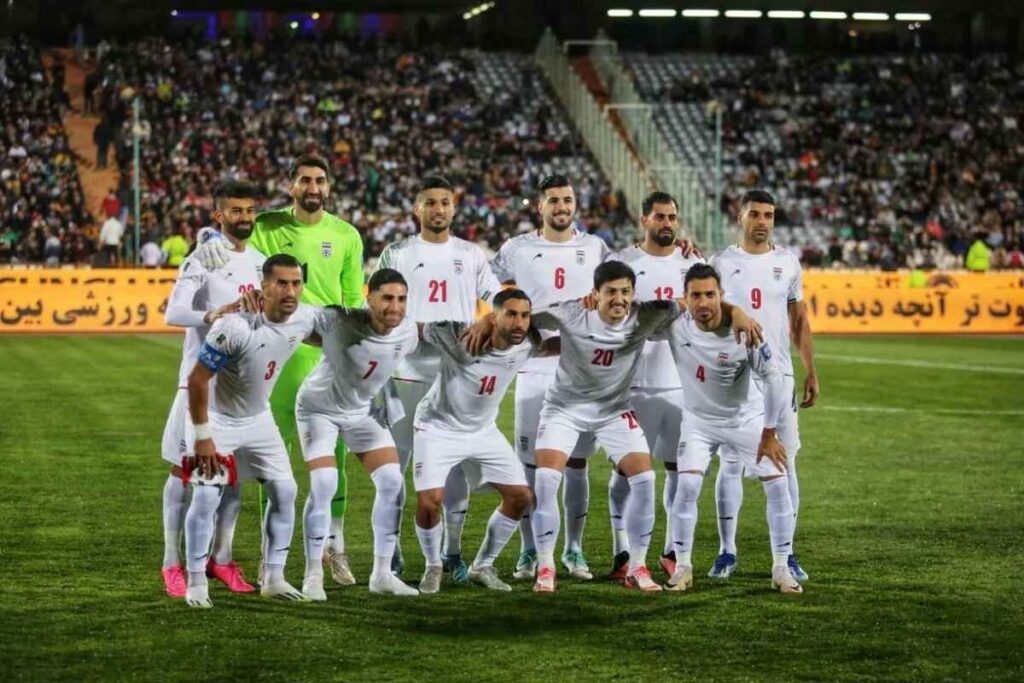
This rule prevented the team from staying in the US after fixtures, unlike most participating nations.
The arrangement aimed to manage diplomatic sensitivities while still allowing participation in the tournament.
Match at SoFi Stadium in Inglewood
The Group stage match between Iran and New Zealand took place at SoFi Stadium in Inglewood, Los Angeles, on June 15, 2026.
It ended in a 2-2 draw after an intense contest. Iran fought back twice to secure a point.
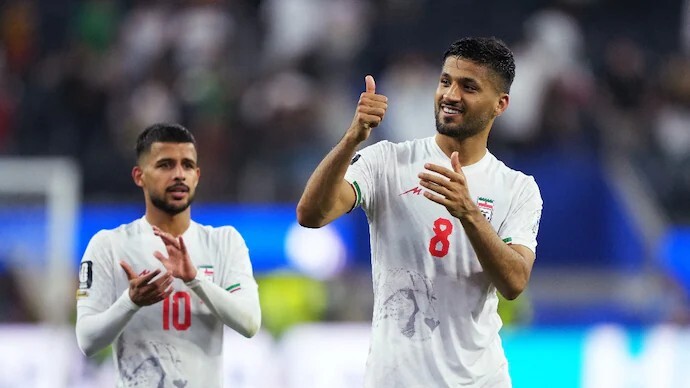
Despite strong on-field action, post-match logistics followed the pre-agreed travel framework. The team exited the United States after the game as required.
Iran’s Tijuana Base Camp and Travel Setup
The broader context of Iran’s World Cup setup also plays a key role in understanding the situation.
Before the tournament, Iran’s Football Federation planned a base camp in Arizona but later shifted operations to Tijuana, Mexico.
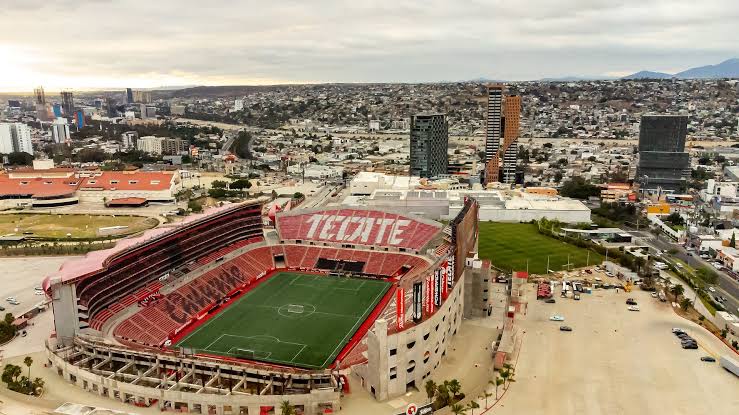
This move was voluntary. It came after concerns over visa uncertainty and administrative complexity in the United States.
Tijuana became the team’s main training base throughout the tournament.
Because of this arrangement, Iran followed a structured travel system between Mexico and the United States on matchdays.
This setup formed part of their planned logistics, not a reaction to match outcomes.
Ghalenoei Reacts in Iran FIFA World Cup Controversy
The incident quickly moved beyond logistics and triggered a wider debate on player welfare and tournament fairness. Iran head coach Amir Ghalenoei expressed frustration after the match.
He said the team was not given proper time to recover in California after the 2-2 draw with New Zealand at SoFi Stadium, describing Iran as the “most oppressed” team at the World Cup.
Ghalenoei added that a 140-mile journey back to their Tijuana base camp came shortly after a demanding match. This disrupted standard recovery routines.
As Iran prepares for their next Group G fixture against Belgium, the debate around scheduling fairness and travel management has intensified.
Also read this:
Conclusion
The Iran FIFA World Cup controversy is not about a sudden decision. It reflects pre-planned logistical and geopolitical conditions that shaped team movement.
Iran’s 2-2 draw against New Zealand at SoFi Stadium happened within these structured travel rules. The entry and exit system, along with the base camp shift to Tijuana, was planned before the tournament.
As the World Cup continues, Iran’s case highlights how off-field arrangements can shape perception. It also shows how logistics can influence elite football beyond match results.
