
Sir Gary Sobers, the legendary West Indies all-rounder, died aged 89 in Barbados on Friday. His passing marks the end of one of cricket’s greatest careers, leaving the sport in mourning.
Sobers transformed cricket with his batting, bowling and fielding across two decades. His achievements earned worldwide respect and inspired generations of players and fans.
Read the article to know Sir Gary Sobers’ remarkable career, his greatest records, the honours he received, and the tributes shared after his passing.
Sir Gary Sobers Dies Aged 89
Sir Gary Sobers died aged 89 in Bridgetown, Barbados, just 10 days before his 90th birthday. His son, Daniel Sobers, confirmed the news, bringing an end to an extraordinary chapter in cricket history.
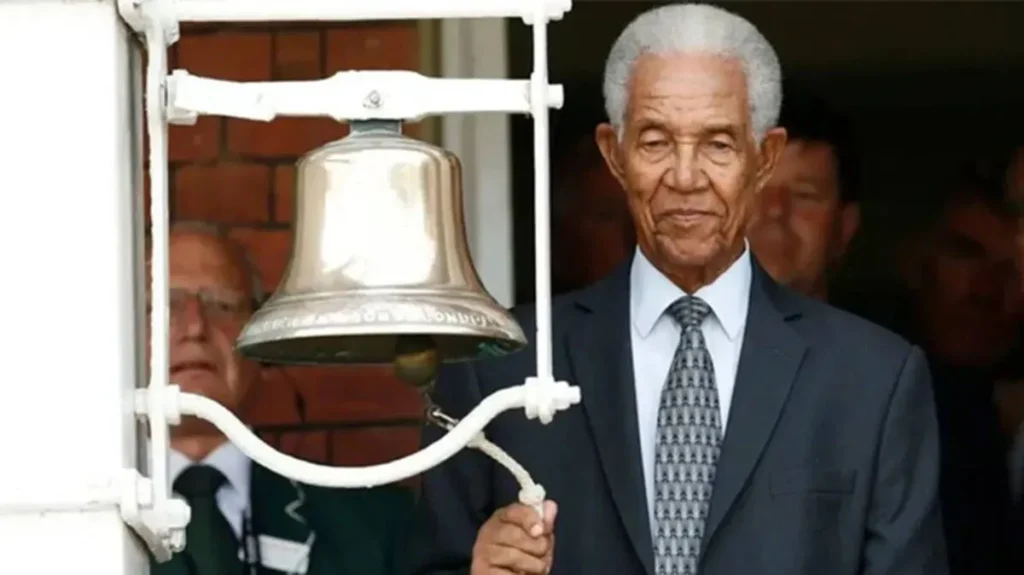
Cricket West Indies led the tributes after announcing his passing. The board described Sobers as a true icon whose legacy would continue to inspire players across generations.
Messages also arrived from the BCCI, former players, cricket boards and fans around the world.
Widely regarded as cricket’s greatest all-rounder, Sobers built a remarkable international career between 1954 and 1974. His influence extended far beyond the West Indies, making him one of the sport’s most respected figures.
Sir Gary Sobers Career Shaped Cricket History
Sir Gary Sobers made his Test debut for the West Indies against England in 1954 at just 17 years old.
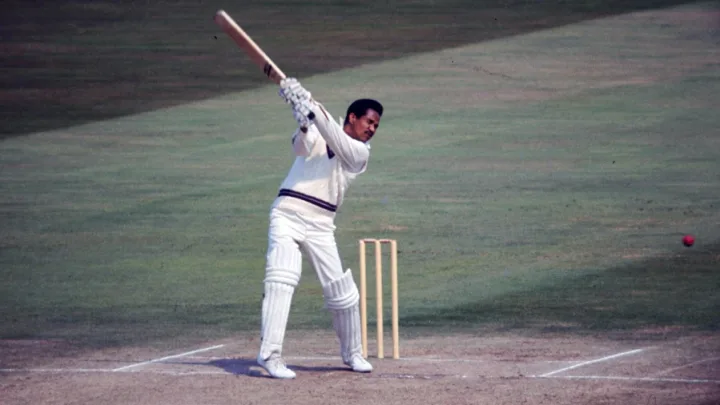
He quickly established himself as one of cricket’s finest all-rounders with consistent performances in every department.
Sobers played 93 Tests, scoring 8,032 runs at an average of 57.78. He also claimed 235 wickets and took 109 catches during his international career. Sobers also captained the West Indies in 39 Tests between 1965 and 1972.
One of his greatest achievements came in 1958 when he scored an unbeaten 365 against Pakistan at Sabina Park in Kingston.
The innings became the highest individual Test score before Brian Lara surpassed the record with 375 against England in 1994.
Sobers was 21 years and 216 days old, making him the youngest player in Test history to score a triple-century, a record he still holds.
A Legacy Built on All-Round Excellence
Sir Gary Sobers earned global admiration for his ability to contribute in every department of the game. Few cricketers have matched the complete skill set he displayed throughout his career.
Beyond his batting, Sobers could bowl left-arm fast-medium, orthodox left-arm spin and left-arm wrist spin. His rare versatility gave the West Indies multiple bowling options whenever they needed them.
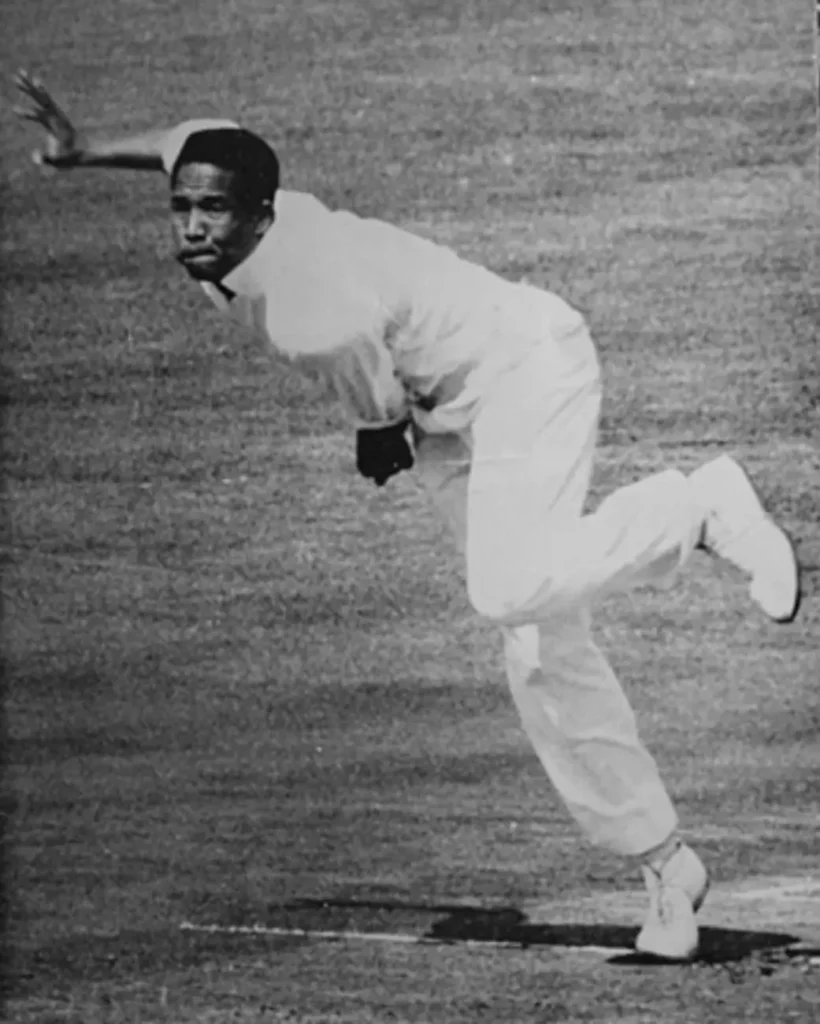
Sobers also produced one of cricket’s most iconic moments in 1968 while playing county cricket for Nottinghamshire.
He became the first player in first-class cricket history to hit six sixes in a single over, achieving the feat against Malcolm Nash of Glamorgan.
Gary Sobers Has Earned Cricket’s Highest Honours
Gary Sobers received several of cricket’s highest honours during his remarkable career. In 1975, Queen Elizabeth II awarded him a knighthood for his outstanding contribution to cricket.
He later became a National Hero of Barbados. The ICC further honoured his legacy by naming its Men’s Cricketer of the Year award after him.
Also, in 2000, Wisden named Sobers one of the Five Cricketers of the Century. He finished second only to Sir Donald Bradman in the voting, highlighting his place among the greatest players in cricket history.
Did you know?
Sobers was also born with polydactyly, having an extra finger on each hand before they were removed during childhood. The remarkable story became one of the most well-known parts of his life away from cricket.
Read This Also:
Conclusion
Gary Sobers leaves behind a legacy that few cricketers have matched. His achievements with the bat, ball and in the field continue to inspire players across generations.
His records, versatility and remarkable consistency made him one of the greatest all-rounders in cricket history. The honours he received reflected the lasting impact he had on the game.
Although Gary Sobers is no longer with us, his contribution to cricket will never be forgotten. Fans around the world will continue to remember him as a true icon of the cricket.
